Why Lisbon makes a top destination for weddings
Lisbon blends Old World charm with modern energy: sunlit riverfronts, dramatic viewpoints, narrow streets tiled with azulejos, and a lively food and music scene. For international couples seeking a destination that feels romantic, photogenic, and culturally rich, Lisbon checks many boxes. The city offers a wide range of venue types—historic palaces, converted warehouses, boutique hotels, waterfront terraces, and gardens—so whether you imagine an intimate rooftop ceremony or a large celebration in a grand hall, Lisbon has options to explore.

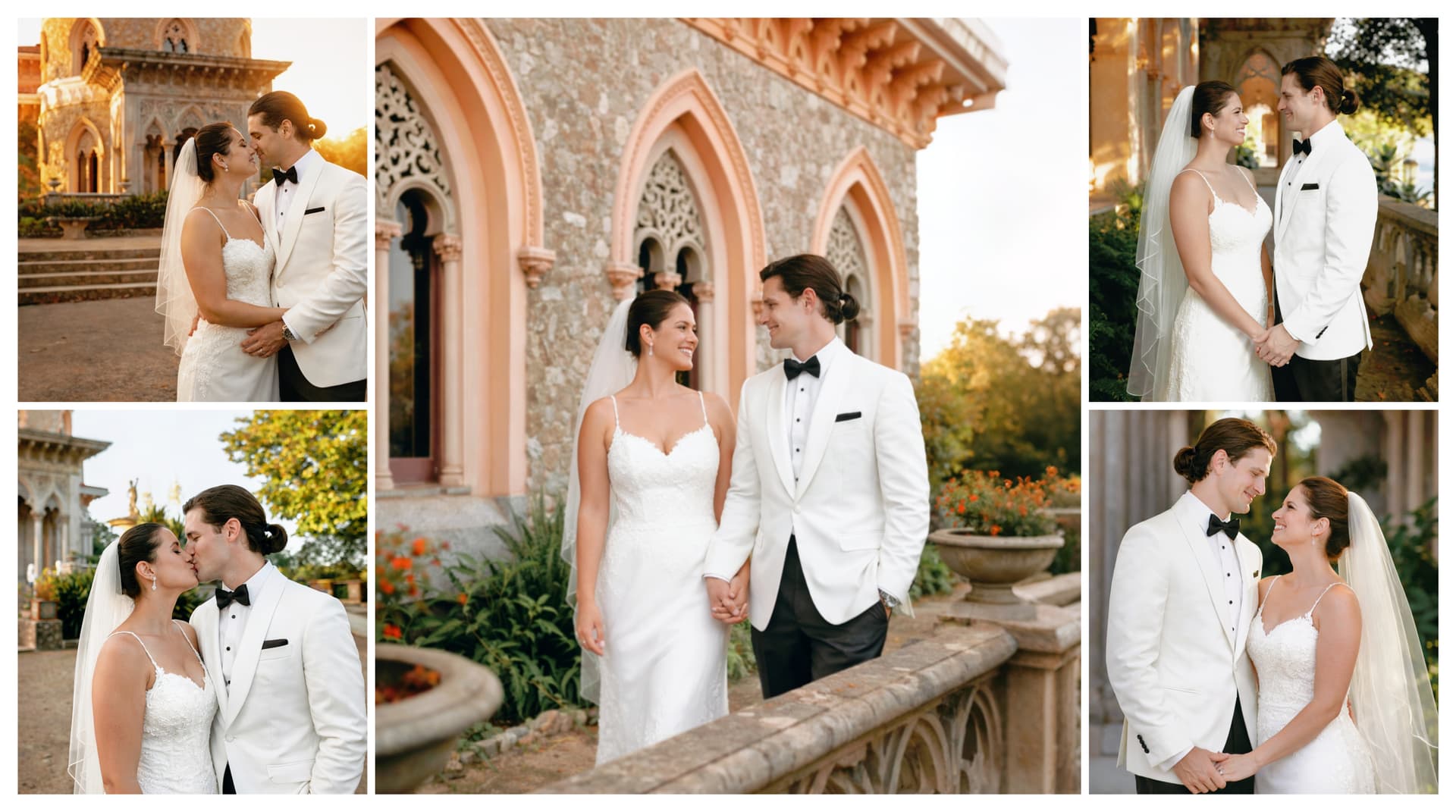
Choosing the right venue in Lisbon is about matching atmosphere to practical needs: guest travel logistics, season, accessibility, and the flow between ceremony and reception. Light and texture in Lisbon are particularly striking for photographers and cinematic wedding films: late-afternoon glow over the Tagus, patterned tiles on stairwells, and dramatic viewpoints can all contribute to memorable imagery.
Types of venues to consider in Lisbon
Lisbon is made of neighborhoods that each offer a slightly different mood. When you start looking, think less about single "best" venues and more about the type of place that fits your vision and guest experience.
Riverside and waterfront venues
The Tagus riverfront provides a stunning backdrop for evening ceremonies and sunset portraits. Venues along riverside promenades or with river-facing terraces let couples take advantage of the wide skies and golden hour light. Many modern cultural spaces and converted warehouses near the water now host events—these can be attractive for couples seeking a contemporary, airy setting.
Historic palaces, convents and manor houses
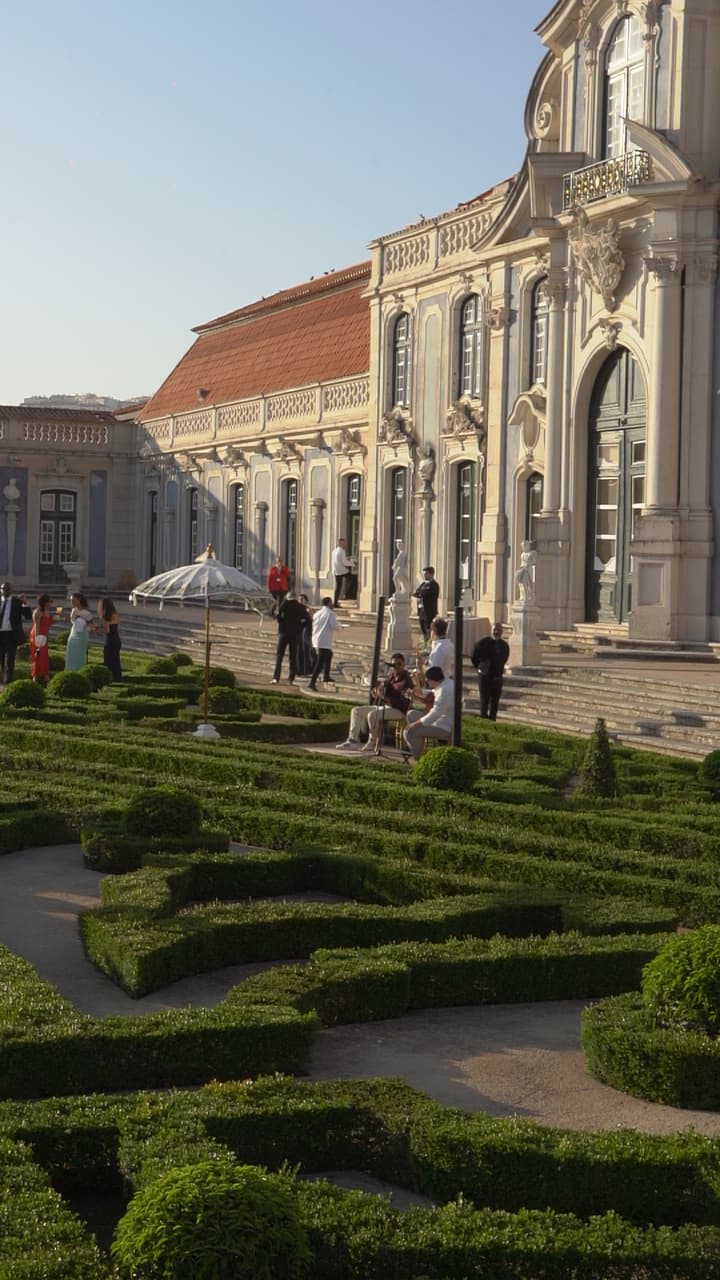
For couples drawn to grandeur and history, palaces and former convents create a dramatic setting. These buildings often have richly decorated interiors, sweeping staircases, and formal gardens or courtyards. They can be particularly atmospheric for portraiture and cinematic sequences, but do keep in mind that historic sites frequently have restrictions on decor, sound, or catering.
Boutique hotels, rooftops and terraces
Boutique hotels in neighborhoods such as Chiado, Bairro Alto and Príncipe Real can offer chic rooftops and intimate dining rooms. These are excellent for smaller weddings or welcome dinners and provide easy access to central Lisbon accommodations for guests.
Converted industrial spaces and cultural venues
Areas like LX Factory and some riverside cultural centers offer creative, industrial-chic spaces that work well for modern celebrations. These venues often provide flexible layouts and an urban backdrop that photographs well, particularly in evening light and with architectural contrasts.
Gardens and parks
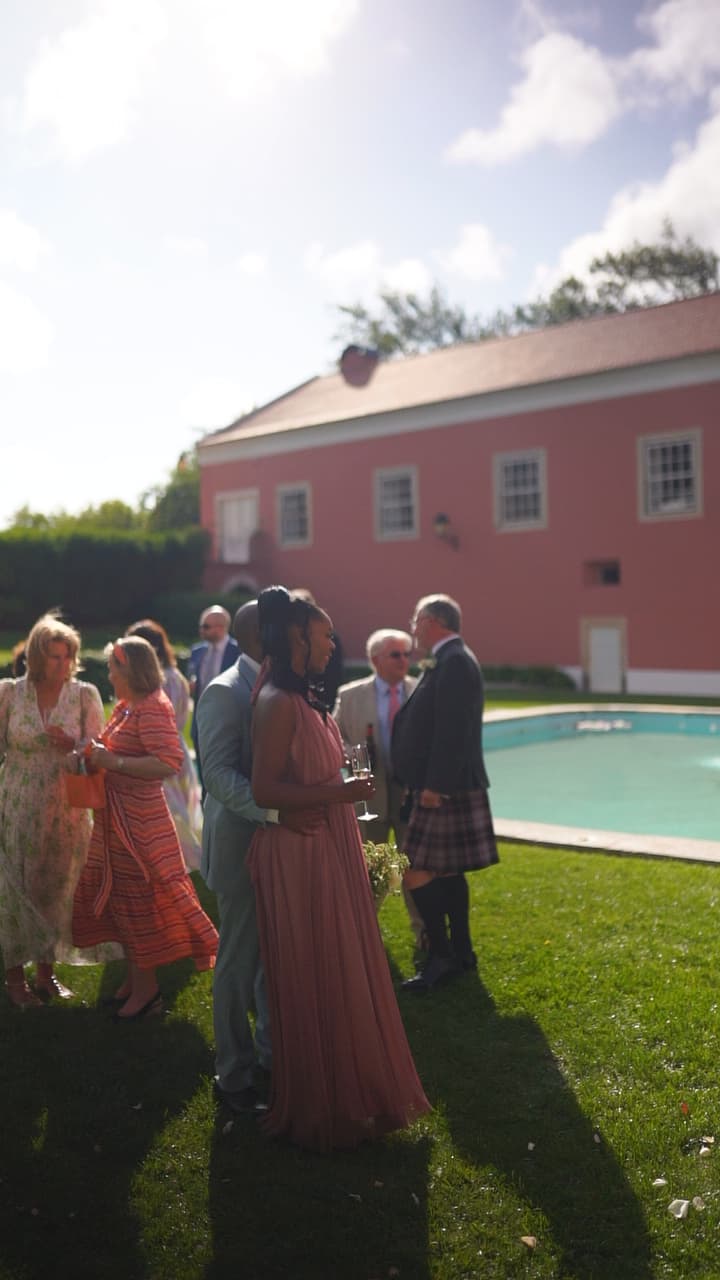
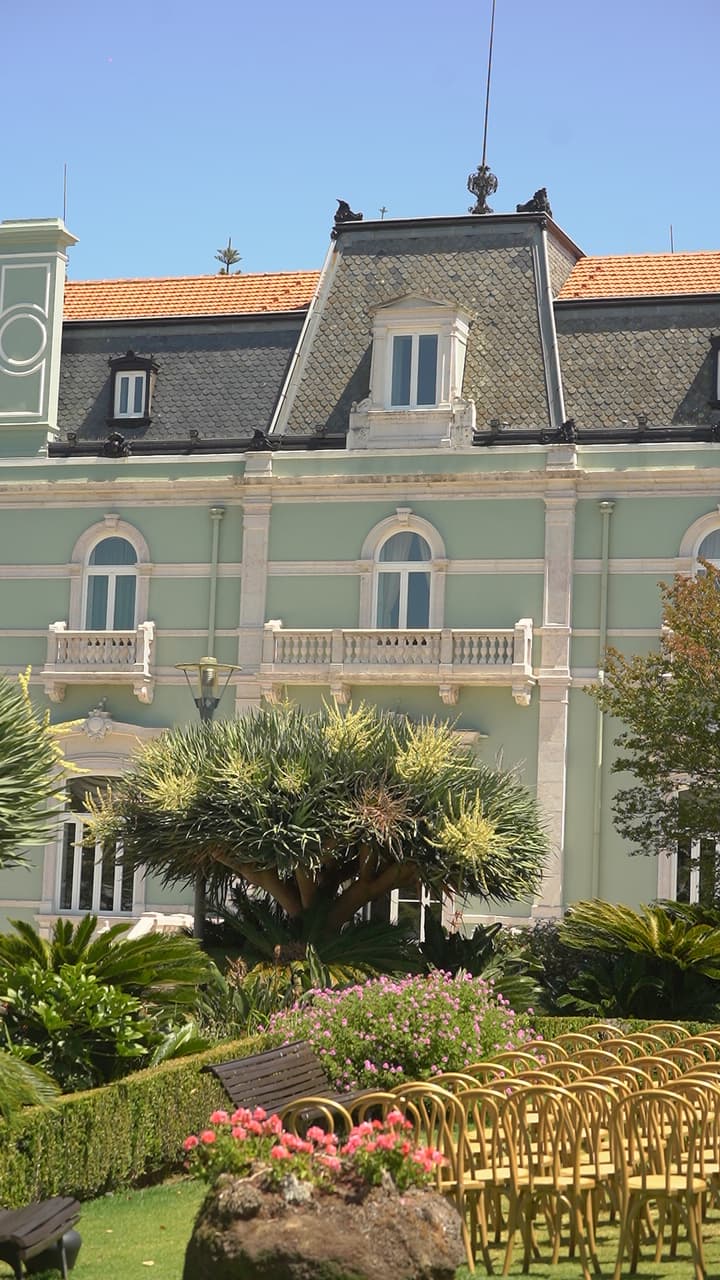
For outdoor lovers, public and private gardens and landscaped parks can be serene ceremony locations. Lisbon’s terraces and viewpoints also double as memorable outdoor spaces. Weather and permits are important considerations for garden ceremonies, so have a reliable backup plan.
Coastal venues near Lisbon
If your vision includes oceanfront vows or a beachside party, consider venues in nearby coastal towns such as Cascais or the western coastline. These spots are an easy extension of a Lisbon destination weekend and offer dramatic sea views and fresh coastal air.
Neighborhoods that set different tones
- Alfama and Mouraria: medieval lanes, historic façades and intimate viewpoints. Great for couples who love a sense of old streets and authenticity.
- Chiado and Bairro Alto: central, cultural, walkable—ideal for chic hotels, restaurants and rooftop spaces.
- Belém: classical monuments, riverfront promenades and museum architecture; well-suited to elegant celebrations.
- Príncipe Real and Avenida da Liberdade: leafy squares, gardens, and luxury hotels—good for refined, high-end hospitality.
- Parque das Nações and east Lisbon: contemporary architecture, waterfront promenades and modern venues.
Sample venue shortlist to explore
Below is a shortlist of venue types and notable places couples frequently consider when planning a Lisbon destination wedding. This list is intended as a starting point for your research—always verify suitability, capacity, and logistics directly with each venue and your planner.
- Palace and historic estate venues: consider historic palaces, manor houses and former convents that host events in and around Lisbon and nearby towns.
- Museum and cultural spaces: several cultural institutions along the river and in central Lisbon open for special events; they can offer striking modern or historic backdrops.
- Boutique hotels: Chiado, Bairro Alto and Príncipe Real feature small hotels with distinctive design and rooftop terraces.
- Converted warehouses and creative hubs: areas such as LX Factory provide flexible, industrial-chic spaces.
- Gardens and viewpoints: municipal gardens, private estates and miradouros (viewpoints) make excellent settings for intimate ceremonies.
- Coastal estates and hotels: Cascais and the western coast offer sea views and a relaxed maritime vibe, within easy reach of Lisbon.
When compiling your final shortlist, include a variety of venue types so you can compare the feel, logistics, and costs more effectively.

Practical considerations when booking a venue in Lisbon
Choosing a venue is both aesthetic and practical. The best weddings balance beauty, logistics and guest comfort. Here are the key practical points to review with every venue you tour.
Access and transportation
Lisbon’s topography includes hills and narrow streets. Confirm the distance from guest accommodations, parking availability, accessibility for elderly or disabled guests, and load-in logistics for vendors. If a venue is located on a steep street or in a historic district, coordinate shuttle options or ensure guests know walking conditions.
Weather and seasonality
Lisbon enjoys many sunny days, but coastal breezes and occasional rain are possible depending on the season. If you plan an outdoor ceremony or reception, ask venue managers about covered options and backup indoor spaces.
Noise, curfews and local regulations
Many urban venues in Lisbon have noise curfews or restrictions on amplified music. Confirm permitted hours, sound limits, and any municipal rules that might affect your schedule. Some historic sites and residential neighborhoods require early finish times.
Catering, supplier rules and corkage
Venues differ in whether they allow outside caterers or require an in-house team. Always verify the vendor policy, whether corkage fees apply for bringing your own wine, and whether your desired menu can be accommodated. For destination couples, selecting vendors experienced with international weddings in Lisbon can reduce surprises.
Permits and legal paperwork
Certain ceremony locations—especially public gardens, viewpoints, and historic monuments—require municipal permits. If you plan a symbolic ceremony at a public miradouro or in a park, confirm permit rules and any fees well in advance.
Timeline and vendor coordination
Lisbon’s light is particularly favorable in late afternoon; many photographers and filmmakers recommend scheduling portraits near sunset. Allow your planner and vendor team time for set-up and transitions—narrow streets and limited access can add minutes that become hours if not planned.
Photography and cinematic film: making the most of Lisbon
Lisbon’s texture—colorful tiles, patterned cobblestones, trams, and river views—creates cinematic opportunities. When planning photography and film, consider these points:
- Golden hour and blue hour: schedule key portraits and couple scenes in the late afternoon and into sunset for warm, flattering light over the Tagus.
- Urban portraits: use stairwells, tile-lined walls and viewpoints for intimate editorial-style shots.
- Motion and sound: incorporate local movement—trams, riverside activity, street musicians—for cinematic sequences, but be mindful of noise restrictions if you rely on natural sound.
- Rooftops and terraces: these offer sweeping panoramas and controlled light, ideal for both photos and cinematic sequences.
At Wedding Story Films we often plan a short pre-wedding scouting session when possible to map the strongest light and the best portrait routes for a chosen venue. If a scouting visit isn't feasible, request venue photos at different times of day and coordinate with local vendors for timely insights.

Booking timeline and checklist
- 12–18 months before: assemble your top venue shortlist, confirm availability for your desired date range, and secure a planner or point person experienced with Lisbon events.
- 9–12 months before: finalize the venue and lock in core vendors (catering, photographer, film, music). Confirm guest accommodation blocks near the venue.
- 6–9 months before: apply for any municipal permits if you plan to use public spaces; finalize menu, timeline and transport logistics.
- 3–6 months before: arrange vendor site visits or virtual walkthroughs; confirm backup plans for weather; begin guest communications about travel and local tips.
- 1–2 months before: confirm final guest numbers, seating and accommodation transfers.
These milestones help keep planning on track and reduce stress as the date approaches.
Budgeting tips specific to Lisbon
Seek clarity from each vendor and venue about what is included: staffing, linens, furniture, tableware, sound systems and security. In city centers, venues may include fewer amenities by default than full-service hotels, so ask about extras that might impact costs—transport for guests, on-site coordinators, and permit fees for public locations.
Hiring a planner or venue coordinator familiar with Lisbon can streamline negotiations, vendor selection and logistics; their local experience often uncovers practical solutions for language, timing and permit matters.
Working with local vendors and bilingual teams
Select vendors who have experience servicing international weddings. Bilingual coordinators, venue managers and suppliers ease communication with guests and help navigate local regulations. If you’re hiring a photographer and cinematic filmmaker from abroad, consider pairing them with local assistants who know the city’s fastest routes and venue rules.
Final thoughts: crafting the right experience
The "best" Lisbon venue depends on the tone you want for your wedding: intimate and historic, modern and minimal, rooftop and cinematic, or seaside and relaxed. Begin by prioritizing atmosphere, guest experience and logistics, then narrow options with those priorities in mind.
Lisbon rewards couples who plan with local insight: the city’s light, texture and lively neighborhoods offer endless opportunities for memorable portraits, cinematic sequences and guest experiences. With the right venue, vendors and timeline, your destination wedding in Lisbon can feel effortless and uniquely yours.
Frequently Asked Questions
Do I need a permit to hold a wedding ceremony at a public viewpoint or park in Lisbon?
Yes. Many municipal parks, viewpoints and historic public spaces require permits for ceremonies or gatherings. Check with the local parish or municipal council and allow time for the application process; a local wedding planner can help navigate the approvals.
When is the best time of year to get married in Lisbon?
Lisbon enjoys mild weather for much of the year. Spring and early autumn are popular for comfortable temperatures and good light. Summer offers long days but can be warmer and busier with tourists—consider local conditions and guest comfort when choosing a season.
Can I hire my own caterer or do venues in Lisbon require in-house services?
Policies vary. Some venues, especially hotels, use in-house catering teams, while others allow outside caterers. Always confirm the venue’s vendor policy early in negotiations and ask about corkage, menu flexibility, and whether the venue provides furniture and staffing.
Are there noise or curfew restrictions for evening receptions?
Many urban venues and historic areas have local noise restrictions or curfews. Ask each venue about permitted end times and sound limits so you can plan music, speeches and vendor load-out accordingly.
How important is hiring local wedding staff in Lisbon?
Local staff and vendors bring practical knowledge of permits, timing, and the city’s layout. Hiring bilingual coordinators, vendors familiar with destination weddings, and local assistants can significantly reduce logistical issues and make the day run more smoothly.
Should we plan a scouting visit before our wedding?
If possible, a scouting visit is highly valuable for mapping portrait locations, confirming vendor access and finalizing lighting plans. If an in-person visit isn’t possible, request detailed venue photos at different times of day and consider a virtual walk-through.
Begin Your Wedding Story
Ready to capture your Lisbon wedding with cinematic storytelling? Contact Wedding Story Films to discuss venues, scouting and bespoke photography and film packages tailored to your destination celebration.