Why Portugal is a magnet for luxury destination weddings
Portugal brings together three elements that couples planning a luxury destination wedding value most: atmospheric venues with character, a spectacular variety of landscapes, and a hospitality culture that prizes service and cuisine. From sun‑washed coastal estates to leafy palaces and vine‑striped valleys, the country offers settings that feel cinematic from every angle—ideal for editorial‑style photography and immersive wedding films.

While the country’s compact size makes logistics manageable, each region has a distinct mood. Lisbon balances heritage and cosmopolitan flair; Sintra offers storybook romance among misty hills; the Douro Valley trades in vineyard drama; the Algarve delivers sea‑and‑sky horizons; and Alentejo’s open countryside invites unhurried, multi‑day celebrations. This guide walks you through the venue styles, regional considerations, and practical planning details to help you choose a location that feels authentically you—and photographs beautifully at every turn.
Understanding luxury venue styles in Portugal
1) Palaces and historic estates
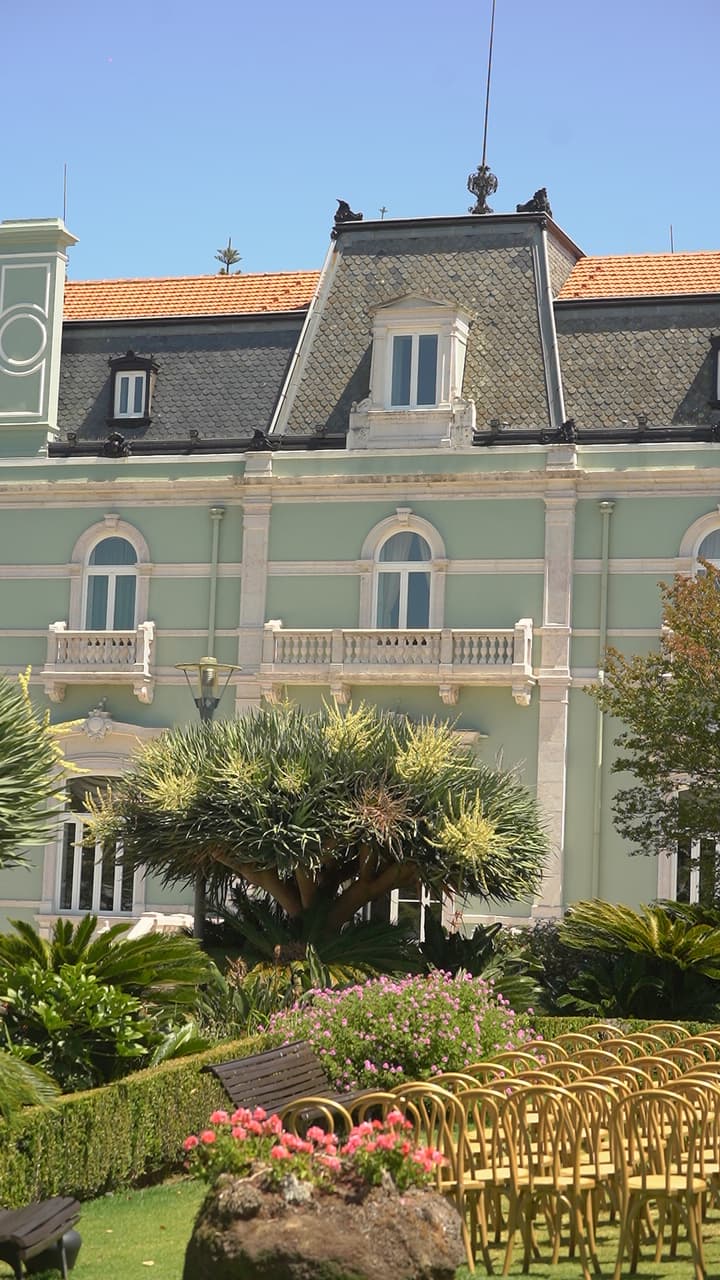
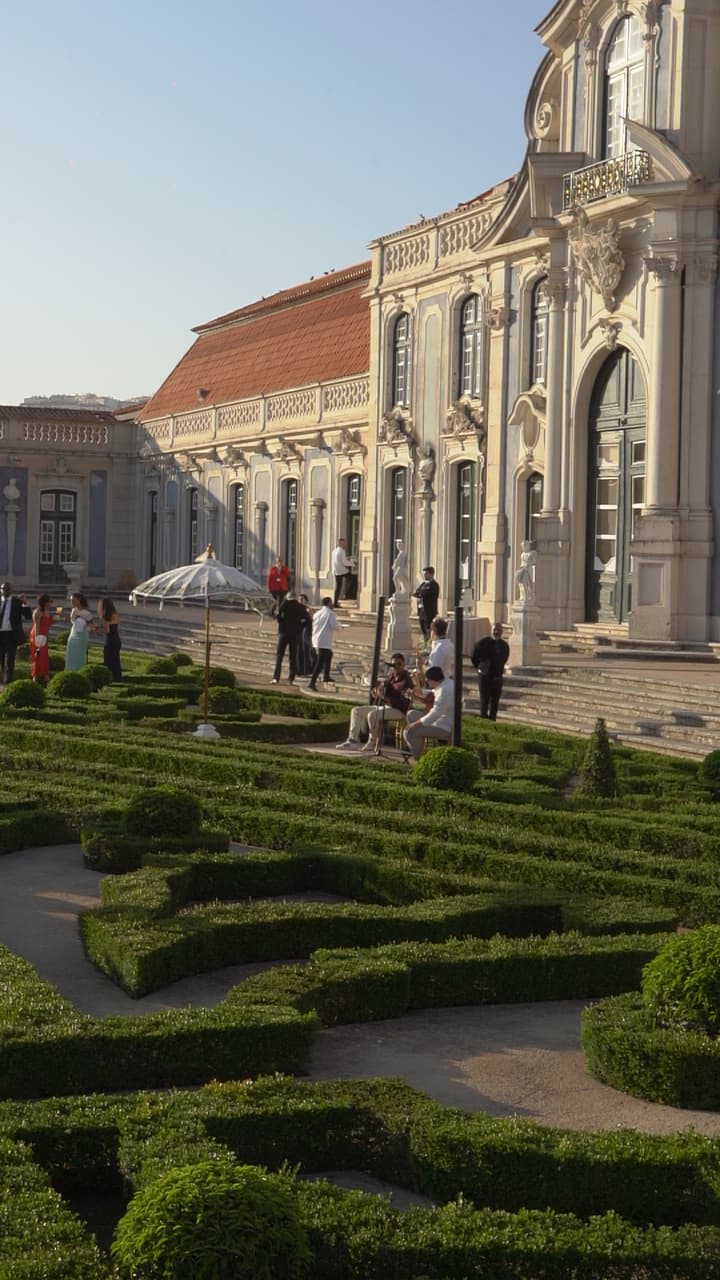
Portugal’s palatial properties and heritage estates exude Old World charm: manicured gardens, tiled loggias, frescoed salons, and long vistas ideal for ceremonies and aperitifs. Many couples choose these venues for their layered backdrops—grand staircases for dramatic entrances, cloistered courtyards for intimate dinners, and terraces that turn golden at sunset. If you envision formal black‑tie with timeless portraiture and a classic orchestral soundtrack in your wedding film, a palace or historic estate will feel like home.
Planning tip:
- Ask about room flow for ceremony, cocktail hour, dinner, and dancing, so your photography and film teams can pre‑light and choreograph camera paths.
- Inquire about preservation guidelines (candles, confetti, florals on historic surfaces) and whether indoor amplified music is required after a certain hour.
2) Vineyard and wine‑estate venues
Vineyards from the Douro to Alentejo provide generous horizons and a sense of place that reads beautifully on camera. Ceremony scapes can frame river bends or rolling hills; receptions often feature local wines and farm‑to‑table menus. The geometry of vines, stone terraces, and barrel rooms adds character for editorial portraits and behind‑the‑scenes film sequences.
Planning tip:
- Confirm transportation timing on rural roads and build in golden‑hour portrait windows.
- Check ground surfaces for heels and rigging (stages, lighting truss) and whether sound travels in open valleys.
3) Oceanfront resorts and coastal private estates
Portugal’s coastline sweeps from dramatic cliffs to tranquil coves. Luxury seaside venues often offer convenient guest accommodations, spa experiences, and activities like sailing or golf—perfect for multi‑day itineraries. The interplay of ocean light, white architecture, and muted dunes translates into luminous photography and airy, modern wedding films.
Planning tip:
- Coastal wind and salt air can affect audio and floral choices; consider directional microphones for vows and sturdy mechanics for installations.
- Ask about sunset position and tide times if your ceremony or portraits involve the beach.
4) Contemporary design spaces and boutique hotels
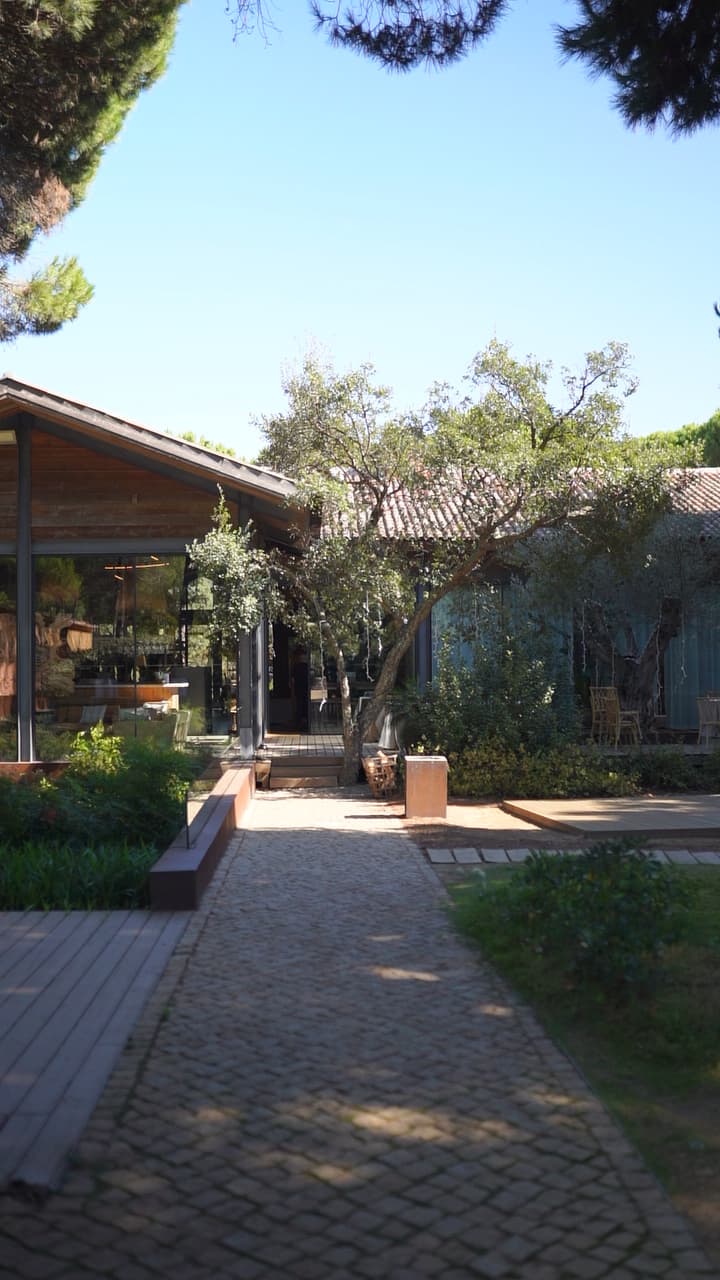
For couples who want clean lines and a gallery‑like canvas, Portugal’s design‑forward hotels and cultural spaces offer neutrality that lets fashion, florals, and lighting lead. Think minimalist architecture, statement staircases, and reflective surfaces that elevate editorial photographic sets.
Planning tip:
- Review where you can attach lighting or projection mapping and whether the venue provides blackout capability for a reveal‑moment dinner or late‑night party.
5) Private villas and countryside retreats
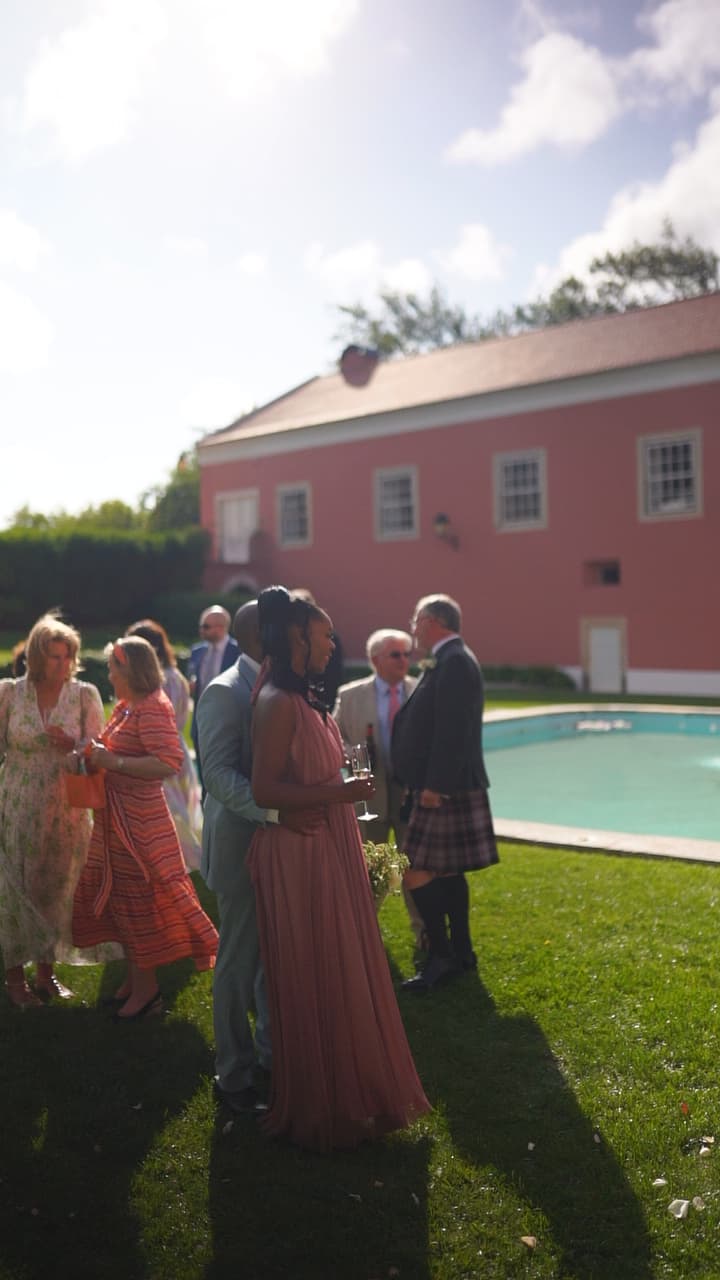
Private villas provide privacy and a residential rhythm: leisurely brunches, poolside welcome parties, and flexible ceremony locations. You can personalize layouts and timelines, ideal for photographers and filmmakers seeking relaxed, documentary‑style storytelling.
Planning tip:
- Confirm event licensing, neighbor sound policies, generator needs, restroom capacity, and marquee options.
Regional deep‑dive: Where your celebration will feel most at home
Lisbon and the Cascais/Estoril coast
Lisbon blends river views, hilltop miradouros, and tiled facades with contemporary gastronomy and nightlife. Close by, Cascais and Estoril offer ocean horizons and elegant seaside estates—practical for guests flying into Lisbon’s international airport. Expect easy access to trusted vendors, diverse accommodation options, and strong contingency plans for weather.
Best for:
- City‑chic celebrations with historic character.
- Efficient logistics and guest convenience.
- Editorial portraits in urban streetscapes and on sunlit terraces.
Photography and film notes:
- Lisbon’s reflective calçada pavements create luminous bounce. Early morning portraits in historic quarters reduce crowds and give soft light for film.
Sintra
Sintra’s forested hills, romantic gardens, and mist‑kissed microclimate deliver an ethereal fantasy. If your vision includes a ceremony under ancient trees, mosaicked courtyards, and candlelit salons, this is the region.
Best for:
- Storybook palatial settings and lush greenery.
- Cooler summer daytime temperatures compared to the coast or interior.
Photography and film notes:
- Expect soft, changeable light; plan for clear umbrellas and layered styling. The mist can lend your film a dreamlike atmosphere.
The Douro Valley and the North
The Douro’s terraced vineyards cascade toward the river, offering sweeping ceremony vistas and atmospheric wine‑estate dinners. Porto, the region’s urban anchor, adds historic riverfront scenes and contemporary design venues.
Best for:
- Vineyard romance and gastronomic focus.
- River cruises or scenic train segments for guest experiences.
Photography and film notes:
- Golden hour can be dramatic; terraced settings offer natural layers for drone establishing shots where permitted. Build buffer time for curvy roads between stops.
Alentejo
A tapestry of open plains, olive groves, and cork forests, Alentejo is tailor‑made for slow, immersive weekends. Boutique countryside properties with on‑site rooms simplify logistics for destination groups.
Best for:
- Multi‑day experiences with welcome dinners under the stars.
- Editorial fashion‑meets‑nature aesthetics.
Photography and film notes:
- Heat and high sun are common in midsummer; plan shade structures and schedule portraits for early or late light.
The Algarve
From golden cliffs to serene coves, the Algarve is the coastal dream. Luxury resorts and private estates deliver service, spa days, and ocean panoramas. It’s popular for couples who want barefoot welcome parties and elegant black‑tie receptions with sea breeze.
Best for:
- Beach‑adjacent ceremonies and poolside parties.
- Guest‑friendly amenities and family activities.
Photography and film notes:
- Strong backlight requires thoughtful exposure; consider a brief blue‑hour session to capture sea‑and‑sky gradients.
The Islands: Azores and Madeira
For couples seeking lush, volcanic scenery or dramatic levada‑lined mountains, the islands offer a sense of adventure. Flight logistics are more complex, but the reward is otherworldly backdrops.
Best for:
- Intimate weddings with nature‑first vibes.
- Elopements and editorial portrait sessions spread over several days.
Photography and film notes:
- Weather shifts quickly; lean into layered storytelling and schedule flexible portrait windows.
How to shortlist venues: A step‑by‑step method
- Define the feeling before the map. Write three words that describe your wedding’s emotional tone—e.g., “timeless, convivial, cinematic.” Let these filter every decision.
- Prioritize guest experience. Can your guests move comfortably between ceremony, cocktails, dinner, and dancing without long transfers? Is there onsite or nearby accommodation?
- Lock your season and light. Use sunrise/sunset times for your date and region to design a realistic timeline. In Portugal, golden hour can fall later than you expect in summer.
- Match venue flow to your narrative. For example, a terrace ceremony, garden cocktails, and a courtyard dinner with an indoor dance floor suits many palatial and vineyard estates.
- Secure Plan B, not as an afterthought. Ask to see the covered or indoor backup and request real event images of that setup.
- Align with your creative team early. Share floor plans and rules with your photographer and cinematographer so they can plan lighting, audio, and movement.
Photography and cinematic film: Getting the most from Portugal’s light
Light, timing, and locations
- Golden hour: Portugal’s coastal and valley light can be intense, then quickly sublime. Reserve 20–40 minutes around sunset for portraits; consider a short blue‑hour session before dinner or during a room reveal.
- Midday shade: For summer ceremonies, prioritize shade or dappled light. If a full‑sun ceremony is non‑negotiable, plan aisle‑side water stations and provide parasols for guests.
- Morning city portraits: In Lisbon or Porto, early sessions avoid crowds and heat while giving filmmakers clean sound for natural‑audio moments.
Audio and movement for film
- Vows: Use discreet lavalier microphones and a backup audio recorder. Coastal or hillside venues can be breezy—wind protection matters.
- Entrances and choreography: For palaces with staircases or long alleys, rehearse pacing. Your film team can plan gimbal and steadicam moves to maximize drama without blocking guests.
- Speeches: Check sightlines and speaker placement to minimize echo in high‑ceiling rooms and ensure consistent lighting for cameras.
Styling and decor with the camera in mind
- Palette: Portugal’s tiles, stone, and ocean tones pair well with soft neutrals, layered textures, and one saturated accent that photographs distinctly.
- Layout: Centerpieces at eye level maintain sightlines; low, sculptural florals keep the table cinematic on camera.
- Lighting: Layer ambient (candles, practicals), functional (pinspots), and atmospheric (wash, gobos). Warm color temperatures complement Portuguese stone and wood.
Seasonality and weather considerations
- Spring (March–May): Lush greens and blossoms; occasional showers. Great for palaces and vineyards with flexible indoor options.
- Summer (June–August): Long days, dry weather, and peak demand. Coastal breezes help; interior regions can be hot midday.
- Early Autumn (September–October): Warm days, soft light, harvest energy in wine regions. A favorite window for vineyard celebrations.
- Late Autumn/Winter (November–February): Quieter calendars, moody skies, and candlelit interiors. Ideal for editorial portraits in cities and palaces.
Contingency checklist:
- Covered ceremony or clear‑top marquee on hold.
- Indoor dinner floor plan ready to activate.
- Transport buffers for rain or wind.
- Towels, umbrellas, and anti‑slip mats for stone terraces.
Guest experience: Designing a destination wedding weekend
Arrival and welcome
- Lisbon and Porto offer the most international connections; the Algarve, Madeira, and the Azores typically involve a connection.
- Provide a clear arrivals guide with transport options and driving instructions. Share QR codes to pin drops and venue gates.
Sample flow for a luxury three‑day celebration
- Day 1: Welcome cocktails on a terrace, relaxed dress code, local seafood canapés, a short speech from hosts, and an early nightcap.
- Day 2: Late start; beauty prep with natural light; ceremony 2–3 hours before sunset; unhurried cocktail hour with a roaming ensemble; dinner with courses paced for speeches and short portrait interludes; dance reveal.
- Day 3: Brunch or boat day; for vineyard regions, a tasting with light bites; poolside lounge for goodbyes.
Accessibility and comfort
- Many historic estates have stairs and uneven stone; ask about ramps, lifts, and accessible restrooms.
- Provide shade structures, hydration, and cooling touches in summer; shawls or heaters for shoulder seasons.
Logistics to confirm with every luxury venue
- Sound policies and curfews: Understand indoor vs. outdoor music timelines.
- Lighting and power: Confirm available amperage, locations of power sources, and whether generators are required for production‑grade lighting.
- Load‑in and load‑out: Heritage venues may have limited access points or protected surfaces; share this with your design and media teams early.
- Drone and permitting: Ask about airspace rules and any local or venue‑specific drone restrictions for your film team.
- Vendor access: Clarify when your florist, caterer, and media team can begin setup and site prep.
Culinary and service: Elevating the table experience
Portugal’s culinary traditions—fresh Atlantic seafood, regional olive oils and cheeses, seasonal produce, and world‑class wines—make dinner a storytelling moment. For a luxury service flow:
- Aperitifs: Feature regional specialties and structured canapés that travel well during mingling.
- Seated dinner: Discuss pacing with your caterer so speeches and filming don’t interrupt hot courses.
- Midnight snack: Offer local comfort favorites for a second wind on the dance floor.
Photography and film angle:
- Pre‑shoot florals and table styling before guest seating.
- Capture chef plating and wine service as tactile, sensory cutaways.
Sustainability and community touchpoints
- Source florals seasonally where possible and repurpose ceremony installations for dinner.
- Opt for reusable candleholders and avoid micro‑confetti in heritage landscapes.
- Consider local favors: small‑batch olive oil, artisan ceramics, or regional sweets that tell a story.
How to evaluate a venue’s photographic potential
Walk your potential venue (in person or virtually) with these questions:
- Where does the sun set relative to the ceremony space and dinner terrace?
- Is there a nearby, wind‑sheltered spot for vows if coastal breezes rise?
- Are there covered areas with beautiful light for portraits in case of rain?
- Does the property have a feature backdrop (tilework, staircase, vineyard row, arch) for couple portraits and editorial group shots?
- Can the dinner space support layered lighting (candles plus warm pinspots) without glare on camera?
Working with local planners and creative teams
An experienced Portugal‑based planner is invaluable. They’ll translate house rules, optimize the run of show for light and logistics, and recommend vendors who know the property’s nuances. Share your vision deck early so your planner, florist, lighting designer, photographer, and film team can build a unified plan. For cinematic films, that might include pre‑recorded letters, vow audio capture, and a music brief that echoes your aesthetic—strings for palatial, acoustic for vineyard, synth‑wave for modern design.
Budget architecture without guessing numbers
Every venue and region prices differently, and inclusions vary. Rather than chasing averages, structure your budget by priorities:
- Venue and food/wine as your experiential core.
- Photography and film as legacy investments—allocate enough for coverage that spans welcome to after‑party.
- Design where it matters most on camera: ceremony focal point, head table, lighting.
- Guest comfort: transfers, shade/heating, late‑night snacks.
Add a contingency of time and resources for weather pivots and power needs (silent generators, additional cabling) to maintain production quality without stress.
Legalities and ceremony types (overview only)
Portugal hosts civil, religious, symbolic, and mixed‑format ceremonies. Requirements vary by nationality, faith tradition, and municipality. Many destination couples choose a symbolic ceremony in Portugal and complete civil paperwork at home, while others navigate local civil processes with a planner’s help. Confirm documentation timelines well in advance, and engage an official translator or celebrant as required.
A photographer’s and filmmaker’s day‑of checklist for Portugal
- Lens and filtration for coastal glare and midsummer sun.
- Two audio backups (lavalier + recorder) for vows and speeches.
- Clear communication with the planner for portrait timing cushions.
- A micro‑shot list of editorial moments: dress on azulejo hanger, vow‑reading rehearsal, terrace receiving line, golden‑hour roam, blue‑hour room reveal, midnight exit.
- Drone permissions and safe takeoff zones cleared early.
Sample venue‑selection matrix (adapt as needed)
- Atmosphere: palace, vineyard, coastal, contemporary, countryside.
- Ceremony: indoor chapel, garden lawn, terrace, beach‑adjacent, cloister.
- Dinner: courtyard, ballroom, marquee, vineyard terrace.
- Dance: indoor hall, tented deck, converted barrel room.
- Guest stay: on‑property rooms, nearby resort, shuttle plan.
- Weather plan: indoor equivalent that feels equally intentional.
- Creative needs: power, rigging, late‑night sound, drone feasibility, photo permits.
Putting it all together: Your narrative arc
Think of your celebration as a three‑act film:
- Act I (Arrival): Set the tone with an easy welcome and visual cues that whisper your palette—linens, signage, a small floral vignette.
- Act II (Ceremony and Dinner): Build pacing into your timeline so emotion and conversation breathe; let golden hour shape transitions.
- Act III (Party and Farewell): Reveal the dance floor with intentional lighting, then close with an exit crafted for both guest joy and camera impact.
When venue, timeline, and creative teams align, Portugal does the rest: the textures, the light, the flavors—and the memory of it all, preserved in editorial photographs and a cinematic film that lets you relive the weekend, frame by frame.
Next steps
- Narrow your region based on season and guest travel.
- Shortlist three venue styles that echo your story.
- Schedule a consult with your planner and creative team to map light, logistics, and production needs.
- Request a site‑visit or virtual walkthrough with a focus on Plan B and power.
When you’re ready, we’re here to help craft a visual narrative worthy of the setting you choose—timeless photography, deeply felt film, and a planning partnership that respects both art and logistics.
Frequently Asked Questions
What time of year is best for a luxury wedding in Portugal?
Late spring and early autumn often provide comfortable temperatures, softer light, and a balance between availability and guest travel. Summer offers long days and dry weather, especially on the coast, while winter favors candlelit interiors and city venues. Base your choice on light, comfort, and the region’s microclimate rather than a single “best” month.
How far in advance should we reserve a high‑end venue in Portugal?
For peak dates, many couples secure venues 12–18 months ahead, especially in popular regions like Lisbon, Sintra, the Douro, and the Algarve. Boutique properties with limited dates can book even earlier. If you have flexible mid‑week or shoulder‑season plans, shorter timelines may be possible.
Can we legally marry in Portugal as foreign nationals?
Yes, but requirements vary by nationality and municipality. Many destination couples opt for a symbolic ceremony in Portugal and complete civil paperwork at home. If you prefer a civil or religious ceremony locally, work with an experienced planner to manage documentation, translations, and timelines.
Do venues in Portugal have sound restrictions or curfews?
Many heritage and coastal venues set guidelines for outdoor amplified music and curfew times. Indoor dancing is commonly used to extend the party. Review house rules early and design your timeline and production plan—band, DJ, lighting—accordingly.
Are drones allowed for wedding films in Portugal?
Drone usage depends on airspace and venue policy. Some areas require permits or have restrictions due to safety and privacy. Discuss this with your film team well in advance so they can secure permissions or plan alternative establishing shots.
What should we consider for photography and film on hot or windy days?
Plan shade for midday, hydrate, and build a golden‑hour portrait window. For wind, use discreet lavalier mics with protection, secure floral installations, and choose sheltered spots for vows. A flexible timeline and a short blue‑hour session can save the day’s look.
How do we make a strong Plan B without compromising the look?
Ask venues to show real examples of indoor or covered setups. Choose spaces with architectural character and plan layered lighting—candles plus warm pinspots. Keep your ceremony backdrop mobile so it can be repurposed seamlessly indoors if needed.
Begin Your Wedding Story
Planning a luxury wedding in Portugal? Connect with Wedding Story Films to craft timeless photography and a cinematic film that elevates every moment.